How to Prevent Osteoporosis in Women: What Actually Works
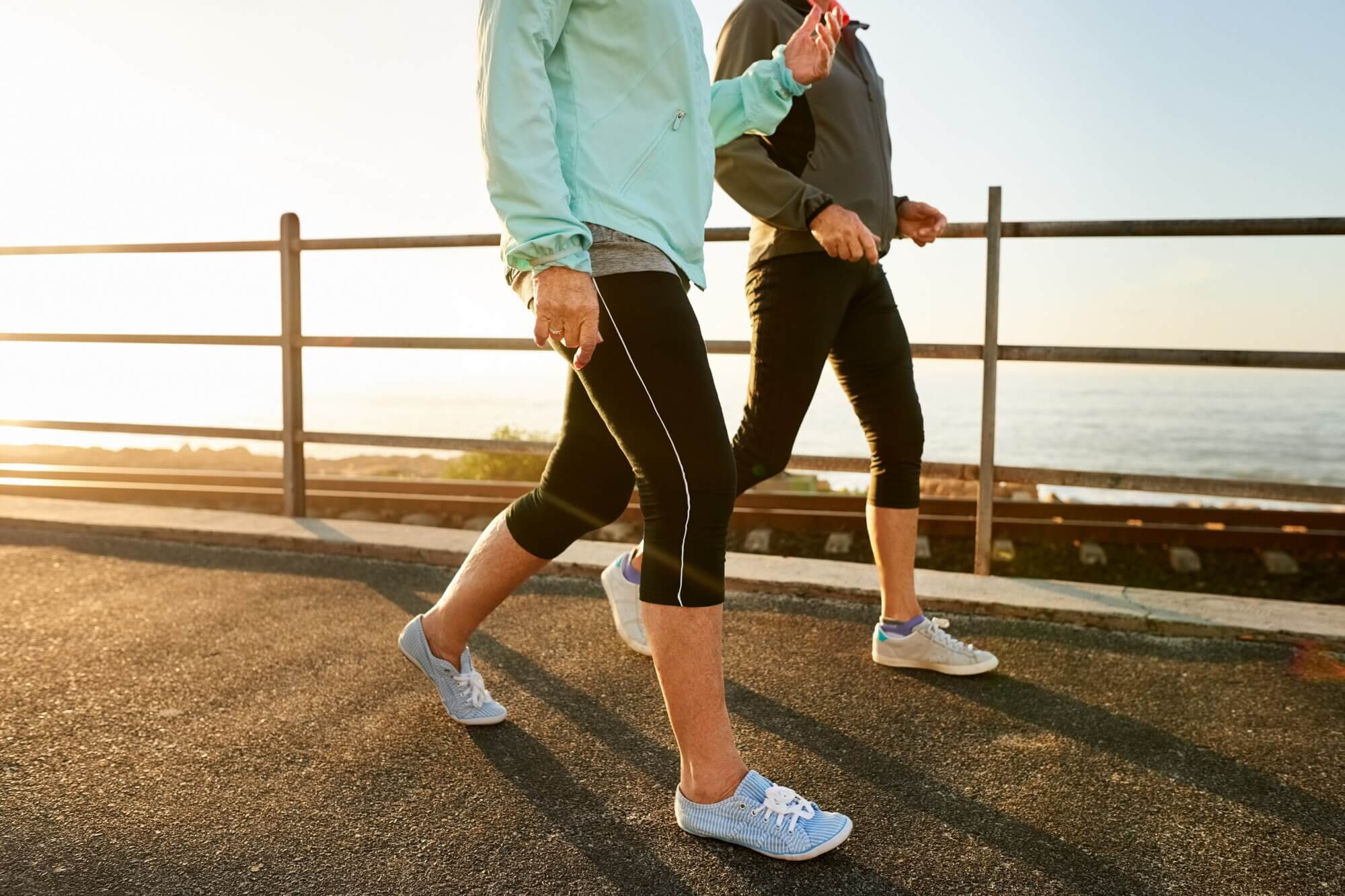
Women are much more vulnerable to osteoporosis than men, and at a much younger age, with 50% of women affected by the condition (compared to 30% of men).1
But despite what you may have heard, osteoporosis does not have to be an inevitable part of women’s aging. Instead, it’s a disease that develops over years, through a combination of genetics and lifestyle factors that are often largely within a woman's control—especially when addressed early.
The major problem is that most women don't typically receive any clear or specific guidance on their bone health from their doctors until after they’ve suffered a break or received an osteoporosis diagnosis. Unfortunately, though, by that point, it can be too late to take meaningful action without taking medications.
So how do you prevent osteoporosis as a woman?
In this guide, we share five actionable strategies to help you maintain your bone health and reduce the rate of bone density loss:
- Do a DEXA scan and take a FRAX test to understand your bone health and osteoporosis risk.
- Use Osteoboost, the only FDA-cleared prescription medical device to treat osteopenia and slow the loss of bone density in postmenopausal women.
- Exercise regularly with routines that include weight-bearing, resistance training, balance, and posture activities.
- Ensure you get the right nutrients in your diet, including calcium and vitamin D.
- Consider medications if you have a high FRAX score due to falls or familial risks.
All of these strategies have been shown by science to be effective. But the best approach to address the state of your bones and prevent osteoporosis is ultimately a holistic one.
If you can exercise, eat well, and use Osteoboost, you’ll have the best chance to protect your remaining bone density and strength.
Osteoboost is a medical device shown to reduce bone loss by over 80% for women who wear and use it at least three times a week. Order the device here.
1. Take a DEXA scan and FRAX test to understand your bone health and osteoporosis risk
If you're concerned about your bone health or your risk for osteoporosis, the first thing to do is get tested. A bone density scan tells you exactly where you stand. It can give you clarity on the current state of your bones and guide decisions regarding the best treatment for you.
Most women don't think seriously about their bone health until after a fracture. But, at this point, significant bone loss may have already occurred. The better strategy is to test before that happens, while you still have the most options available to you.
The DEXA scan: The gold standard for bone density testing
A DEXA scan (dual-energy X-ray absorptiometry) measures bone mineral density at your hip and lumbar spine—the two sites most vulnerable to osteoporotic fracture.
It’s a test that’s simple but insightful. It takes around 15–20 minutes, involves very low radiation exposure, and produces a so-called T-score that compares your bone density to that of a healthy young adult.
The test can tell you whether:
- Your bones are healthy (T-score above -1.0): If this is the case, your focus should be on osteoporosis prevention—i.e., maintaining the density you have and slowing any age-related decline.
- You have osteopenia (T-score between -1.0 and -2.5): This is the stage most women don't hear enough about. You've lost some bone density, but you haven't yet reached the threshold for osteoporosis.
Importantly, this is also the stage where intervention can make the greatest difference. Further bone loss can be slowed significantly, and in some cases bone density can improve. That said, if you have a high FRAX score, your doctor may recommend you take medication. - You have osteoporosis (T-score below -2.5): At this stage, medication is typically part of the conversation, particularly if your fracture risk is high. The treatment options are broader than most women realize.
What’s worth emphasizing is that your bone health is not a fixed state. Whatever your DEXA scan result, there’s almost always something you can do to improve or stabilize your bone health. Think of your result or diagnosis as a starting point.
The FRAX assessment: Understanding your fracture risk
Your bone density is only part of the full picture. Fracture risk is really determined by two things: the strength of your bones and your likelihood of falling. FRAX accounts for both of these.
The FRAX tool calculates your 10-year probability of a major osteoporotic fracture—at the hip, spine, forearm, or shoulder—using a short questionnaire covering your age, weight, height, medical history, and lifestyle factors. It can be run with or without a bone density measurement, though adding your DEXA T-score will make the estimate more precise.
The result gives you and your doctor a concrete percentage to work with: one that reflects not just what's happening to your bones, but your overall fracture risk profile. Women whose 10-year major fracture probability exceeds 20%—or whose hip fracture probability exceeds 3%—are generally considered candidates for medication in addition to lifestyle changes, even if they don’t yet have osteoporosis.
Ideally, to reduce fracture risk, you want both strong bones and good balance. DEXA tells you about the first. The FRAX assessment helps you quantify the combined risk. Together, they give you the clearest possible picture of where you actually stand and inform you on how you should address it.
Read more: Bone Scans Explained (and What Your Results Really Mean)
2. Use Osteoboost, the only FDA-approved non-pharmacological osteopenia treatment
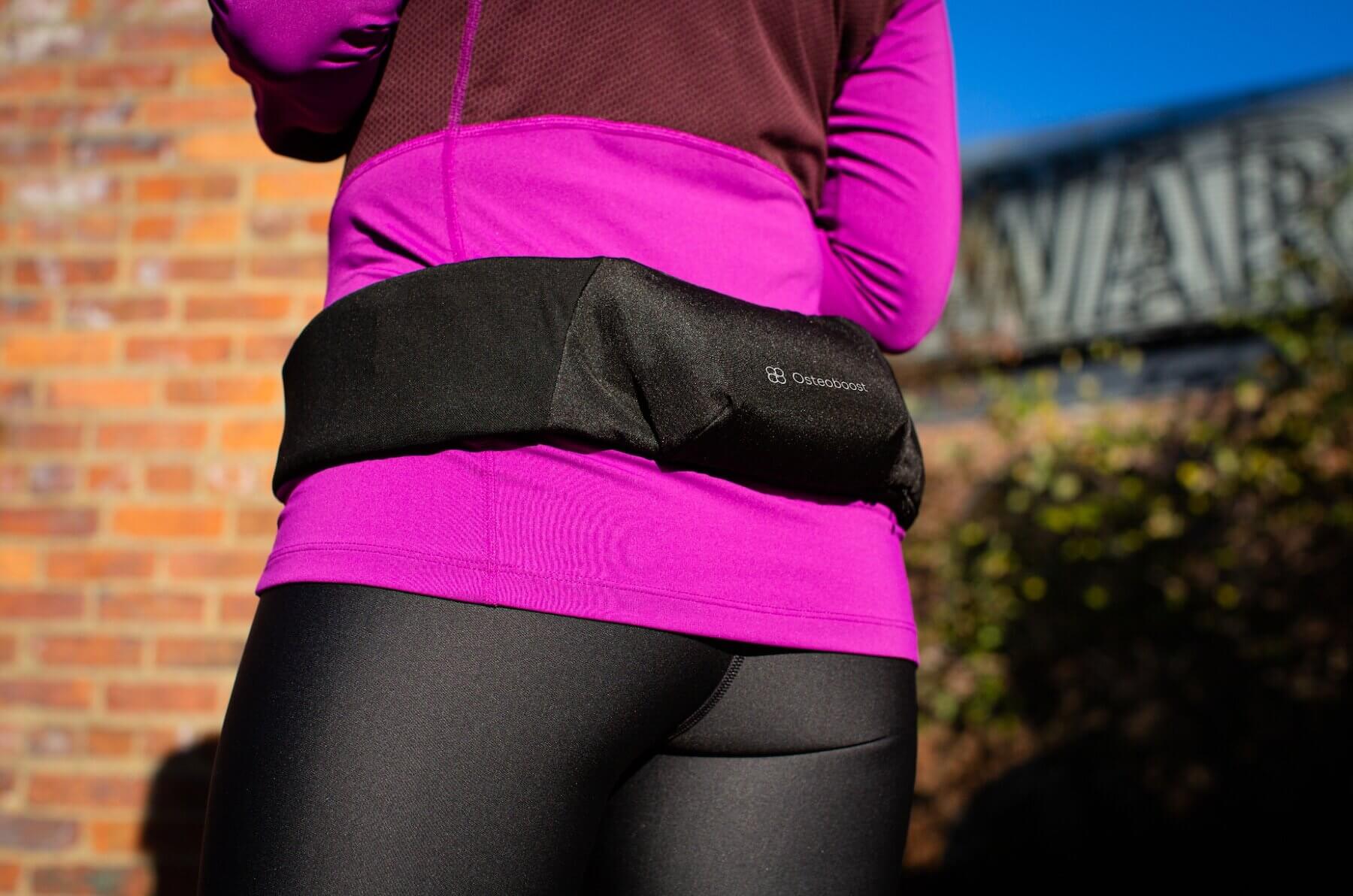
Osteoboost is a vibration device cleared by the FDA through its De Novo pathway—and it’s the only prescription medical device of any kind approved for treating low bone density.
The device is best used as a treatment for osteopenia, to help you prevent further bone loss.
Simply wear the device as a belt for 30 minutes a day, as it delivers precisely calibrated vibrations directly to your sacrum, spine, and hips. These are the sites with the highest risk of life-altering fractures and the areas that are tested in a DEXA scan.
In a 12-month, randomized, double-blinded, sham-controlled clinical trial conducted with the University of Nebraska Medical Center, 64 women were assigned to the active device and 62 to an inactive version.2 Compared to the placebo group, women who used Osteoboost at least three times per week saw:
- An 85% reduction in the loss of vertebral bone density
- An 83% reduction in the loss of vertebral bone strength
- A 55% reduction in the loss of hip bone density
31% of participants who used the device at least three times per week also experienced an observable increase in bone strength in the spine, and 33% experienced an increase in bone density in the spine.
No serious adverse, device-related effects were reported in the clinical trial, and 80% of the participants successfully followed the treatment regimen. You can use Osteoboost while going about any normal daily activities that involve standing or walking.
Read more about the science behind Osteoboost.
Note: Osteoboost is not an osteoporosis treatment, but a way to slow the loss of bone density and strength as part of a comprehensive medical plan to avoid osteoporosis in the future. It can prevent further decline if you already have a T-score lower than -2.5. If you already have a diagnosis for osteoporosis, talk to your medical provider, who will be able to create an optimal treatment plan with you.
How Osteoboost uses vibration therapy as part of a comprehensive plan to help prevent osteoporosis
Osteoboost works by delivering vibrations that mimic the bone-strengthening mechanisms of high-impact exercise, a process also known as mechanical loading.
Independent studies have repeatedly shown that mechanical vibrations produce key markers of bone formation. These markers—such as COX-2, nitrous oxide, osteocalcin, PGE-2, RANKL, ALP, and type 1 collagen—are the same biological signals that decline as bone loss accelerates after menopause. Stimulating them is precisely what makes mechanical loading one of the most effective tools available for slowing the progression toward osteoporosis.
Osteoboost delivers the therapeutic doses of vibration directly to the bones with the highest fracture risks. This is unlike whole-body vibration plates that transmit vibrations from the feet up, significantly dissipating before ever reaching the hips or spine.3
As a result, Osteoboost is the only FDA-cleared vibration device for bone health.
You’ll need a prescription to use Osteoboost. You can download the prescription form to share with your doctor, or request one online for $30 through Beluga Health, our telehealth partner.
How to wear and use Osteoboost
Once your prescription is confirmed and your order is placed, you'll receive the device along with the Osteoboost app, which you can use to track your daily sessions and calcium intake.
Getting started takes about five minutes:
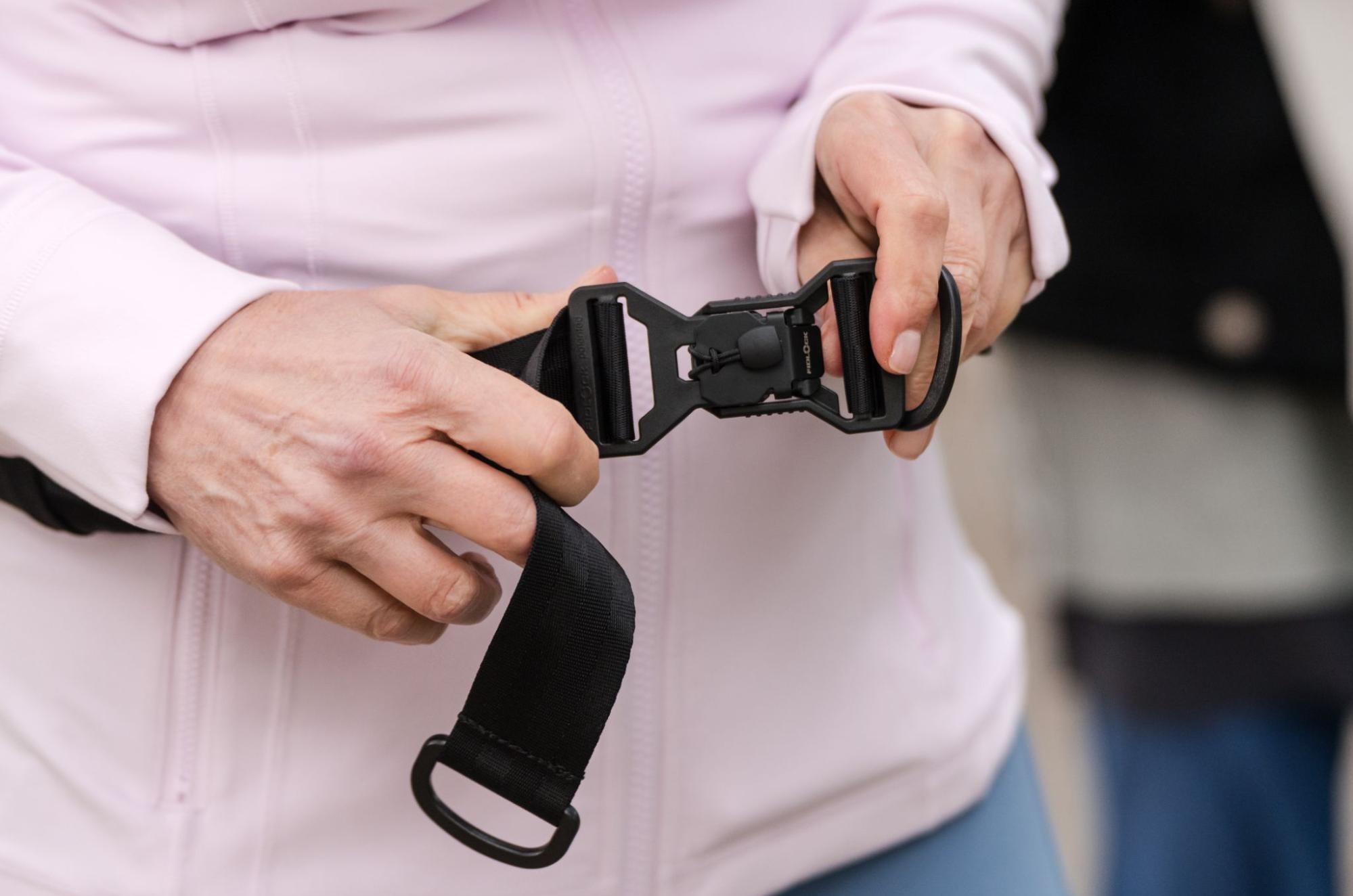
- Position the belt low around your hips with the vibration pack sitting directly against your sacrum and the power button facing up.
- Secure the device with the magnetic clasp and tighten the straps until it feels snug. If you're unsure whether it's tight enough, the app will confirm the fit for you.
- Once the belt is on, stand still for about five seconds while the device runs a pressure check. You'll then feel a short vibration pulse as it calibrates.
- When calibration is complete, Osteoboost transitions automatically into continuous vibration and your 30-minute session will begin.
You can walk, stand, do light household tasks, or simply go about your morning while wearing it. 30 minutes three times a week is all it takes to have an effect.
Order your Osteoboost device today and start treating your bone loss. You can make a purchase before you receive your prescription.
3. Exercise regularly with weight-bearing, resistance training, and balance and posture routines
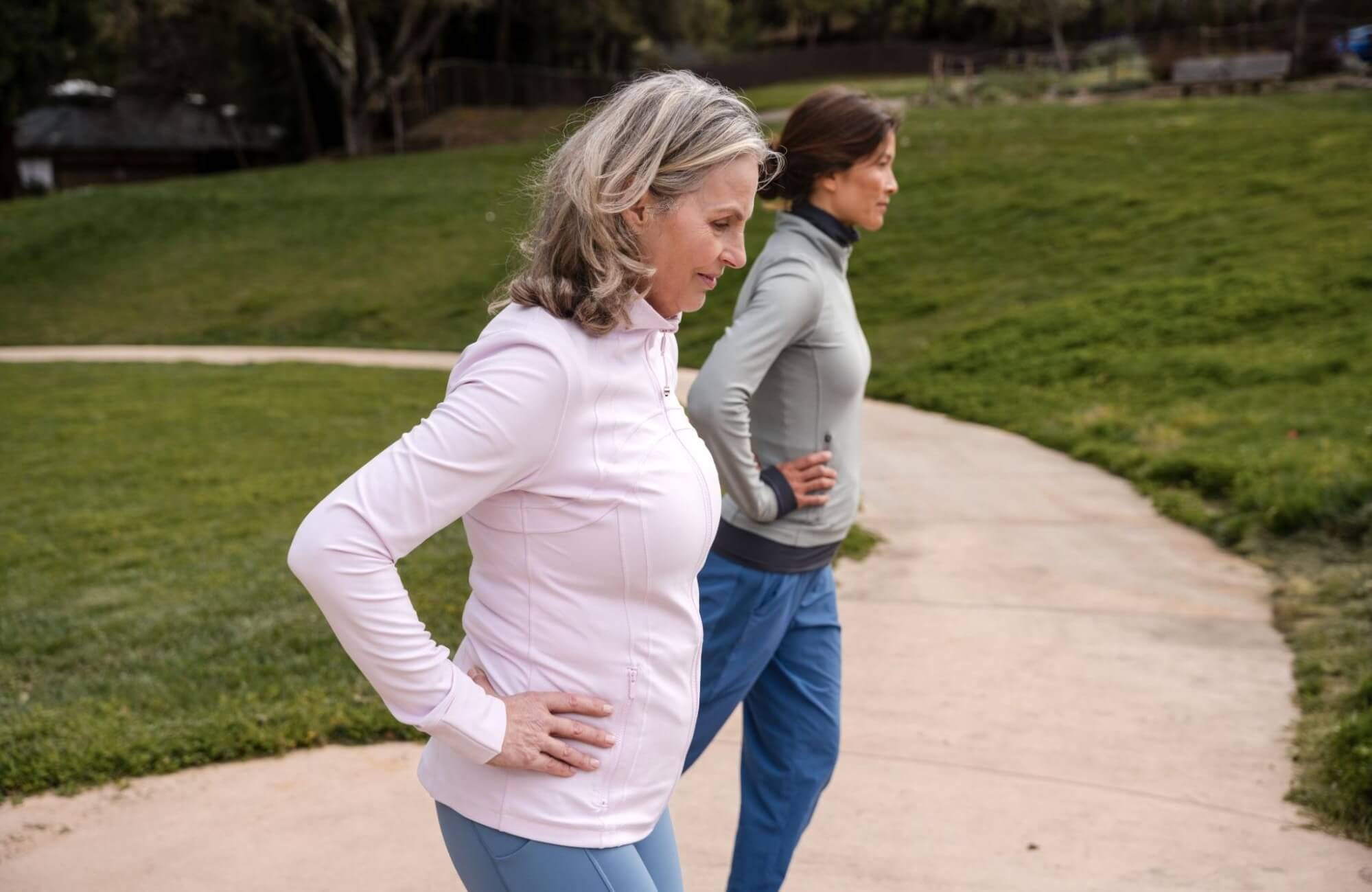
Exercise is an incredibly effective intervention to help prevent osteoporosis because your bones will respond to physical demand that no nutrient or medication can replicate.
The principle behind this is called Wolff's Law, established by German anatomist Julius Wolff in 1892 and supported by over a century of research.4 Wolff's Law states that your bones will adapt to the degree of mechanical loading. An increase in loading will cause your bones to strengthen, and a decrease in loading will cause your bones to weaken.
The exercises we especially recommend for the sake of your bones are:
- Weight-bearing: any activity performed on your feet, against gravity, where your skeleton has to support your body weight.
- Resistance training: any activity that causes your muscles to contract against resistance, causing them to pull on the bones they’re attached to.
- Balance and posture activities: any activity designed to train your body to maintain its center of gravity and reduce your risk of falling and injury.
Weight-bearing exercises
High-impact weight-bearing exercises include:
- Hiking
- Burpees
- Jumping jacks
- Knee-highs
- Running
- Climbing the stairs
- Dancing
- Jumping rope
These exercises will produce the strongest stimulus and impact on your bones, allowing you to build new bones faster. They are, however, more intensive, so to balance out the effort and stress on your bones, you can also perform low-impact weight-bearing exercises such as
- Brisk walking
- Elliptical training
- Pilates
- Swimming
Combining high-impact exercises with low-impact exercises is best for your health and bones overall.
If you have advanced osteopenia, following exercise programs such as Wellen can help you learn which exercises you can safely manage to protect your bones.
Resistance training exercises
When you engage in resistance training, you can include a dumbbell, a resistance band, a barbell, or your own body weight to create resistance.
Studies have shown that resistance training protocols were especially effective in improving bone mineral density in the neck and spine for postmenopausal women.5
Before any resistance strength training workout, however, you should warm up first with a few minutes of stretching and light cardio exercise such as walking or jogging in place.
Then, if you’d like, pick a weight or resistance level that feels comfortable but still challenging for you. You should be able to comfortably perform 12 to 15 repetitions of a movement while breaking a sweat.
Balance and posture exercises
Balance and posture exercises include:
- Yoga
- Tai chi
- Stretching
Yoga builds core stability, balance, and body awareness in ways that directly reduce fall risk. If you have advanced osteopenia, you can make specific modifications to yoga to help you do certain poses comfortably and safely.
The benefits of tai chi have very strong evidence for bone health and fall prevention. A 2024 meta-analysis published in the Journal of Orthopaedic Surgery and Research found that postmenopausal women practicing tai chi showed significant increases in their vertebral bone density and meaningful improvements in their overall health status compared to the placebo group.6
Fall prevention is also very important. This can look like removing all potential obstacles in your house and installing new features. While these aren’t exercises as such, fall prevention can include:
- Using a non-slip mat in the shower or bath
- Removing loose rugs, trailing cables, and other tripping hazards from high-traffic rooms
- Wearing supportive, well-fitting footwear indoors such as socks with grips
- Ensuring your stairways and hallways are well lit
- Installing grab bars in the bathroom, especially next to the toilet and in the shower or bath
For a structured program safely combining all three elements, Wellen is built specifically for women with osteopenia, offering 30-minute sessions designed for exercising from the comfort of your own home.
4. Ensure you get the right nutrients: Calcium, vitamin D, and more
What you eat has a major impact on your bone health. To support your other strategies to prevent osteoporosis, maintaining a balanced, varied diet will ensure you give your bones all the minerals, vitamins, and nutrients they need to stay strong.
Calcium: The foundational nutrient in your bones
Calcium is one of the key building blocks of your bones. When your body doesn't get enough from food, it will take this nutrient from your bones to maintain blood calcium levels.7
The recommended daily intake for women over 50 is 1,200 mg. Your body, however, can only absorb around 500 mg at a time, so spreading your intake across several meals works better than consuming it all at once.
Good dietary sources for calcium include:
- Dairy products (yogurt, milk, cheese)
- Canned sardines and salmon
- Tofu
- Fortified plant milks
- White beans, kale, and bok choy
If food is not enough, calcium citrate is the better supplement form for most postmenopausal women. In fact, calcium citrate and vitamin D form the basis of many preventive and therapeutic regimens for osteoporosis.8
But be careful, as too many calcium supplements may negatively affect your overall health. For instance, one study showed that calcium supplements increased the risk of heart disease in postmenopausal women—but others have not shown the same risk.9
Vitamin D: The nutrient that helps you absorb calcium
Your body needs vitamin D to absorb and use calcium properly. Without it, even a high-calcium diet can deliver only a fraction of what your bones can use.
Vitamin D deficiency is extremely common among postmenopausal women. Your skin's ability to synthesize vitamin D from natural sunlight will decline with age, so it’s important to try and get enough vitamin D from your diet.
Great dietary sources of vitamin D include:
- Fatty fish (salmon, mackerel, sardines)
- Fish liver oils
- Egg yolks
- Fortified milk and grains
For supplements, choose D3 (cholecalciferol) rather than D2 (ergocalciferol). D3 is the form that your skin naturally produces, and there’s research that suggests it’s more effective at raising the levels of vitamin D in your blood.10
Many bone health specialists recommend 1,500–2,000 international units (IU) of vitamin D per day for postmenopausal women.
Other nutrients beneficial to your bone health include:
- Vitamin K (green leafy vegetables)
- Protein (lean meats, fish, and eggs)
- Magnesium (nuts, seeds, and legumes)
- Creatine (meat and seafood)
- Vitamin C (fresh fruits and vegetables)
- Boron (dried fruits and beans)
- Omega-3s (fatty fish and nuts)
- Strontium (whole grains and lentils)
- Collagen (bone broth and animal products)
Read more: 8 Best Supplements for Osteopenia (+ a New Natural Alternative)
5. Take medications as prescribed by your doctor
If your osteopenia is particularly advanced and you have a high risk of fractures, your doctor may prescribe medication for you to take.
A T-score at the lower end of the osteopenia range—closer to -2.4 than to -1.0—combined with other risk factors will typically prompt a doctor to recommend you take medication. In terms of your FRAX score, you will typically be recommended medication if you have a 10-year major fracture probability above 20%, or a hip fracture probability above 3%.
There are several osteopenia medications and treatments available, the most common being:
- Bisphosphonates (Fosamax, Boniva, Actonel, and Reclast): Bisphosphonates circulate in your bloodstream to bind directly to hydroxyapatite crystals, the primary mineral component in bones, and target and inhibit your osteoclasts, the cells responsible for bone breakdown, to give your osteoblasts more time to build new bones.
- Parathyroid hormone analogs (Tymlos, Forteo): Parathyroid hormone analogs work by acting like the hormones your parathyroid glands behind the thyroid in your neck produce to stimulate bone formation and growth.
- Lab-made biologic agents (Prolia, Evenity): You can inject lab-made biologic agents such as Prolia and Evenity. Prolia targets a molecule called RANK Ligand (RANKL) to stop it from stimulating osteoclasts and bone resorption. Evenity will promote bone formation by stimulating your osteoblasts and decreasing the activity of your osteoclasts.
- Hormone-based treatments (SERMS, Evista): Hormone or estrogen replacement therapy involves supplementing your body with estrogen, essentially replacing the estrogen that declines as women enter menopause. This estrogen will help regulate your body’s balance between bone resorption and bone formation again.
When you speak to your doctor, however, make sure you’re fully aware of the potential side effects that are often associated with these medications. If you’re unable to tolerate a certain medication due to the side effects or treatment regimen, speak to your doctor as soon as possible. You might have better luck switching to more natural treatments instead.
Prevent osteoporosis with Osteoboost
If you’ve been diagnosed with osteopenia, you can ensure your condition doesn’t get worse and become osteoporosis. But taking action early and staying consistent is key. Your future self will thank you.
A great way to prevent osteoporosis is by using Osteoboost alongside regular exercise, a balanced diet, and any medications prescribed by your doctor. By combining these strategies, you’ll give yourself the best chance of maintaining your bone health.
Try Osteoboost today, the first and only FDA-approved, non-drug prescription device to prevent osteoporosis for postmenopausal women.
Frequently asked questions
What causes osteoporosis?
The most common causes for osteoporosis are hormonal changes (particularly the loss of estrogen at menopause), aging, nutritional deficiencies, physical inactivity, certain medications, and medical conditions. In most cases, it's not one factor but a combination of several accumulating over time.
Read more: How to Improve Bone Density During Menopause: 4 Proven Methods
Why are women at higher risk for osteoporosis?
The primary reason is estrogen. Throughout a woman's reproductive years, estrogen slows the rate at which your bones break down and keeps the bone remodeling cycle in balance. When estrogen drops sharply at menopause, bone resorption accelerates, and bone formation can no longer keep up. The result is rapid, significant bone loss and osteoporosis being four times more common in women than in men. About 42% of postmenopausal women have osteopenia.11
Men experience bone loss with age too, but they don't go through an equivalent hormonal event, and they typically start with greater bone mass.
What are the risk factors for osteoporosis?
Genetics, family history, health conditions or deficiencies, and certain medications all influence the rate of bone loss, with menopause being a major risk factor for osteopenia in women. Smoking, alcohol consumption, calcium and vitamin D intake, insufficient protein consumption, and physical inactivity also all contribute to rapid bone loss.
References
- Varacallo M., et al. “Osteopenia.” StatPearls Publishing, 2026.
- Bilek, L., et al. “Benefits of Targeted Vibration for Bone Strength and Bone Density in Postmenopausal Women with Osteopenia: A Randomized, Sham-Controlled Trial.” JBMR Plus, 2024.
- Rubin C., et al. “Transmissibility of 15-hertz to 35-hertz vibrations to the human hip and lumbar spine: determining the physiologic feasibility of delivering low-level anabolic mechanical stimuli to skeletal regions at greatest risk of fracture because of osteoporosis.” Spine (Phila Pa 1976), 2003.
- Rowe P., et al. “Physiology, Bone Remodeling. StatPearls Publishing, 2026.
- Zhao R., et al. “The effects of differing resistance training modes on the preservation of bone mineral density in postmenopausal women: a meta-analysis.” Osteoporos Int, 2015.
- Zhang, Yi, and Huan Chen. “Effect of Tai Chi exercise on bone health and fall prevention in postmenopausal women: a meta-analysis.” Journal of orthopaedic surgery and research, 2024.
- Voulgaridou, G., et al. “Vitamin D and Calcium in Osteoporosis, and the Role of Bone Turnover Markers: A Narrative Review of Recent Data from RCTs.” Diseases, 2023.
- Quesada Gómez JM., et al. “Calcium citrate and vitamin D in the treatment of osteoporosis.” Clin Drug Investig, 2011.
- Bolland MJ., et al. “Calcium supplements with or without vitamin D and risk of cardiovascular events: reanalysis of the Women's Health Initiative limited access dataset and meta-analysis.” BMJ, 2011.
- Alayed Albarri, EM., et al. “Effectiveness of vitamin D2 compared with vitamin D3 replacement therapy in a primary healthcare setting: a retrospective cohort study.” Qatar medical journal, 2022.
- Grili, P., et al. “Nutrient Patterns and Risk of Osteopenia in Postmenopausal Women.” Nutrients, 2023.