8 Best Supplements for Osteopenia (+ a New Natural Alternative)
If you’re looking for the best supplements for osteopenia, you’ve likely been told you already have, or you’re at risk of developing, the condition defined by lower-than-normal bone density.
Seeking out more information regarding osteopenia supplements is useful if you’re looking for a natural treatment for osteopenia, or you’re wanting to reinforce other strategies for managing bone health, such as resistance training.
Supplements for bone health come in a variety of forms and most commonly include nutrients such as calcium, vitamin D, and omega-3. But while these are essential nutrients for bone health, it’s not always clear whether taking them as supplements actually helps you manage osteopenia or osteoporosis.
Many expert authorities on bone health—including the UK’s Royal Osteoporosis Society and the American Society for Bone & Mineral Research—state that, even if you have these conditions, you typically don’t need to take supplements. Unless you have a condition that affects nutrient absorption, you should be able to get the vitamins you need through your diet.
In this guide, we share eight nutrients you need to support your bone health, including:
- Calcium
- Vitamin D
- Vitamin K2
- Magnesium
- Collagen
- Vitamin C
- Omega-3s
- Protein
We’ll also assess whether each supplement is worth it, and we’ll share tips to help you identify the best supplements available.
Before this though, we want to introduce you to Osteoboost, the only FDA-cleared non-pharmacological treatment for osteopenia.
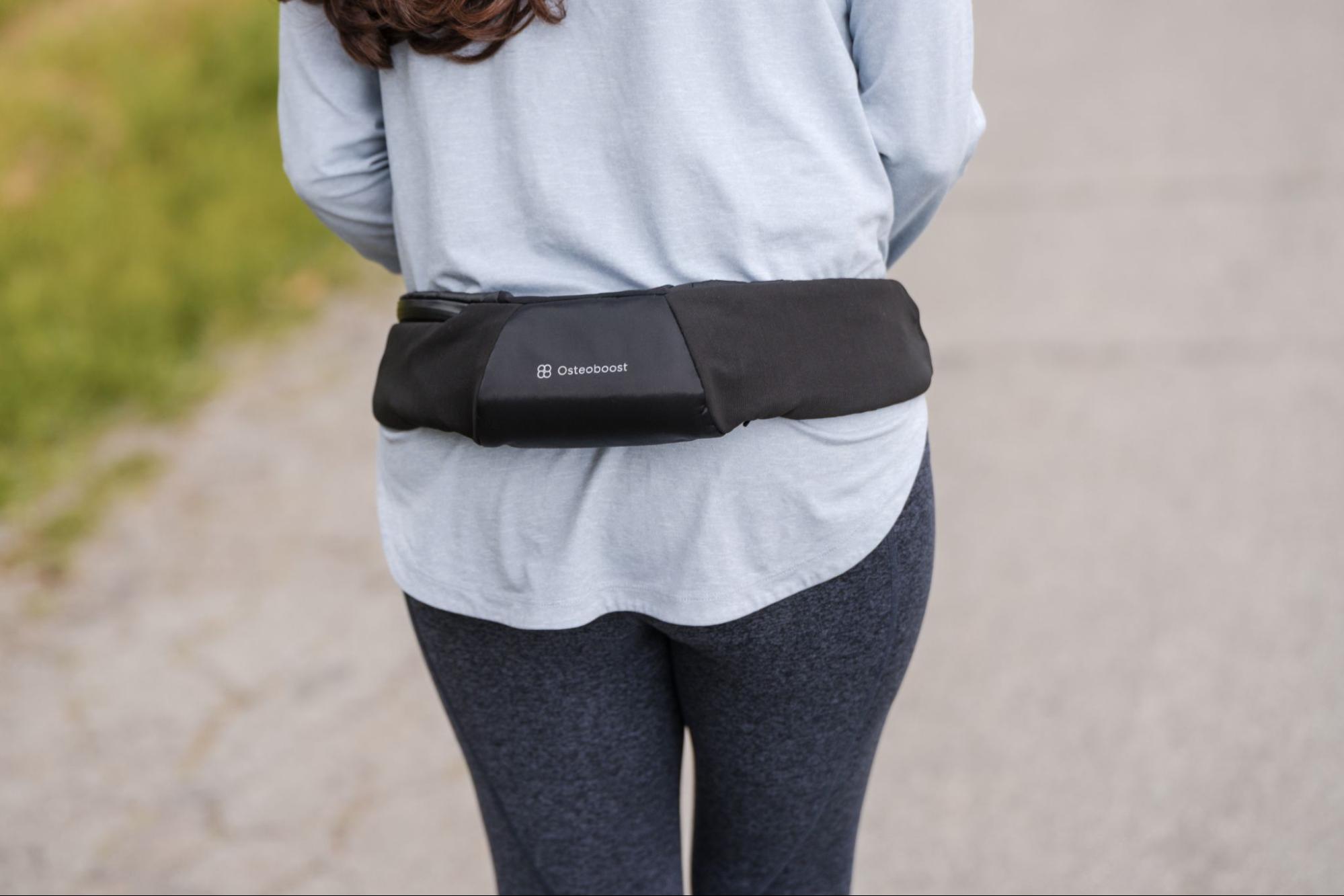
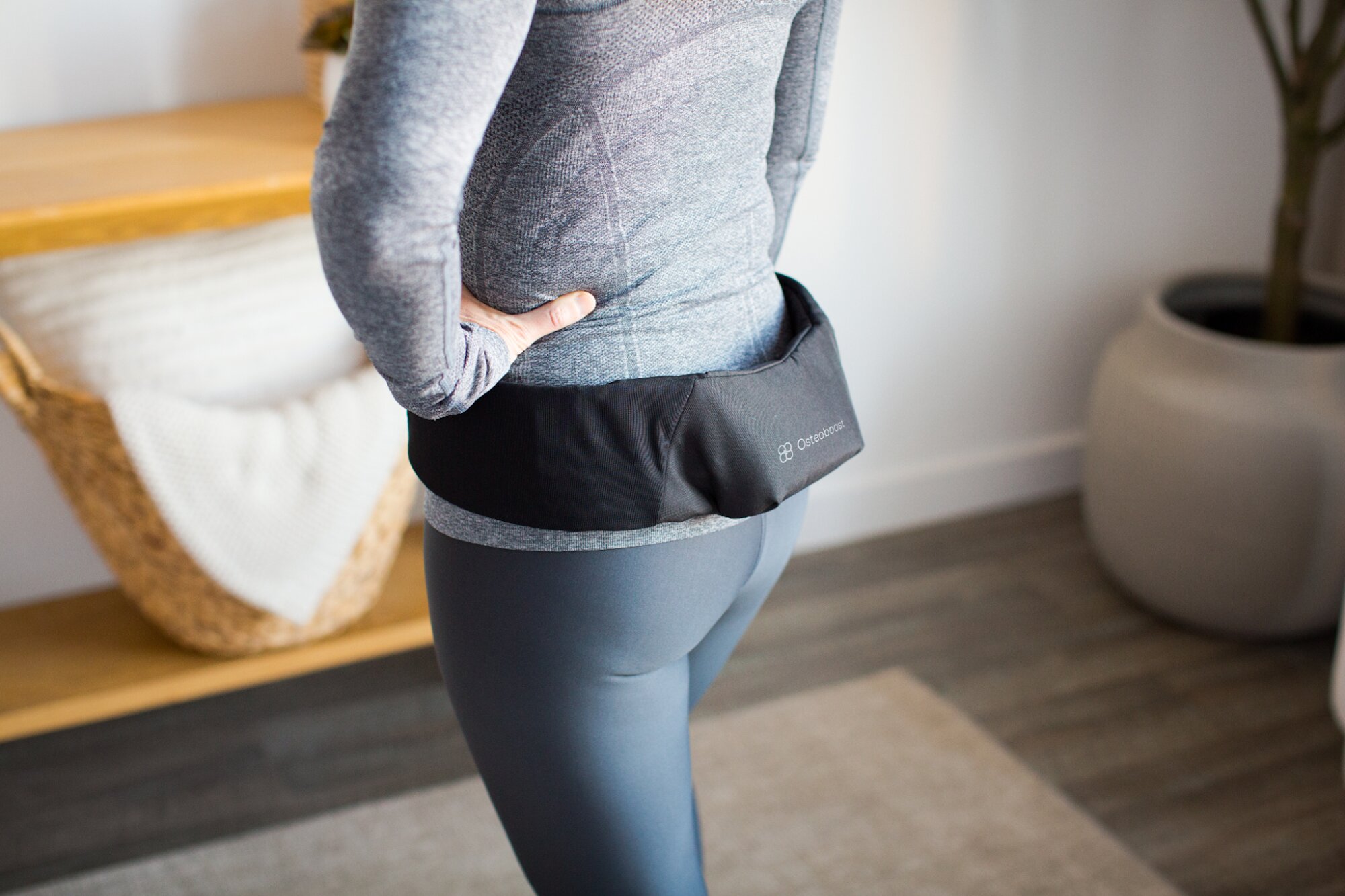
Osteoboost is backed by rigorous scientific research. Inspired by NASA-funded research on vibration therapy, Osteoboost is a device worn as a belt that delivers precise therapeutic vibration to your spine and hips, the areas with the highest risk of life-altering bone fractures.1
Osteoboost can also be used alongside other osteopenia treatments and lifestyle changes that support your bone health—including supplements, if you choose to use them.
To slow down your bone density loss, talk to your doctor about an Osteoboost prescription. Order the device here.
Osteoboost: The non-drug, FDA-cleared treatment for osteopenia
If you're actively losing bone density, supplements alone will not be enough to slow your rate of bone density loss.
Instead, if you’re looking for an alternative treatment for osteopenia—whether that’s a natural and non-invasive treatment or a safer alternative to medication—Osteoboost is a great option.
Osteoboost is the only FDA-cleared non-pharmacological device for treating low bone density. To use the device, you simply wear it for 30 minutes a day and continue performing daily activities that involve standing or walking.
In a 12-month, randomized, double-blinded, sham-controlled clinical trial at the University of Nebraska Medical Center, women who used Osteoboost at least three times per week saw:
- An 85% reduction in the loss of vertebral bone density
- An 83% reduction in the loss of vertebral bone strength
- A 55% reduction in the loss of hip bone density compared to the placebo group2
31% also had an actual increase in bone strength in the spine, and 33% had an increase in bone density. No serious adverse device-related effects were reported in the study, and 80% of the participants were able to follow the treatment regimen.
The science is rigorous, unlike many of the supplements on offer.
Osteoboost works by replicating the bone-forming mechanisms of high-impact exercise. The vibrations deliver mechanical load directly to the bones with the highest fracture risk, without requiring strenuous physical activity. It's particularly useful if you:
- Have osteopenia and want to act on your bone health before it progresses
- Prefer a non-drug approach without the side effects of medication
- Want to reinforce your current supplement and exercise routine with clinical-grade support
We recommend using Osteoboost alongside other interventions such as exercise and nutrition. These approaches work through different mechanisms and will complement each other well.
Learn more about the science behind Osteoboost here.
How vibration therapy and Osteoboost work
Independent studies have repeatedly shown that mechanical vibrations produce key markers of bone formation, including COX-2, nitric oxide, osteocalcin, PGE-2, and ALP. Vibration also has been shown to help the process in which your body naturally produces type I collagen, one of the proteins you’ll often find in supplements.
The most common vibration devices on the market are whole-body vibration plates and platforms. You stand on them, and they deliver vibration through the soles of your feet. The problem is that research shows vibration magnitude dissipates significantly the further it travels from the source.3
No whole-body vibration plate or platform has ever been cleared by the FDA as a treatment for low bone density. On the other hand, Osteoboost has—through the FDA's De Novo pathway, the same rigorous clearance process used for novel medical devices with no existing predicate.
How to put on and use Osteoboost

Osteoboost requires a prescription, but getting one is easy. You can download the prescription form to share with your doctor, or request one online through Beluga Health, our telehealth partner.
Once your prescription is confirmed and your order is placed, you'll receive the device. We recommend you download the Osteoboost app, which you can use alongside the device to track your daily sessions and calcium intake.
Getting started takes about five minutes:
- Position the belt low around your hips with the vibration pack sitting directly against your sacrum and the power button facing up.
- Secure it with the clasp and tighten the straps until it feels snug—if you're unsure whether it's tight enough, the app will confirm the fit for you.
- Stand still for about five seconds while the device runs a pressure check.
You'll feel a short vibration pulse as it calibrates. When calibration is complete, Osteoboost will transition automatically into a 30-minute session of continuous and therapeutic vibration.
Order your device today and start treating your osteopenia.
8 vitamins, minerals, and nutrients that are essential for bone health (and the best ways to get them)
Nutrition is an important part of managing your bone health and reducing your future risk of osteoporosis. The eight minerals and vitamins we share below are all known to contribute to your bone health.
Note: while we know that these minerals are good for your bones, your diet remains the best place to get them. There’s often limited evidence that supplementation actually helps. In some cases, relying too much on supplements can actually be counterproductive.
Below, we talk through the details of each nutrient, the best foods to get them from, and whether it's worth taking supplements.
1. Calcium: The most important mineral for your bones
Calcium is the most abundant mineral in your body, and about 99% of your body’s calcium is stored in your bones and teeth. When you aren’t getting enough calcium, your body will pull it from your skeleton to keep your blood calcium levels stable. The damage to your bones is gradual, but will compound over time.
The NIH recommends 1,000 mg daily for women aged 19–50 and 1,200 mg for women over 50. Your body can only absorb around 500 to 600 mg of calcium at a time, so spreading intake across meals—rather than a single large dose—is more effective.4
The best dietary sources of calcium include:
- Dairy products (yogurt, hard cheese, and milk)
- Canned sardines and salmon with bones
- Firm tofu made with calcium sulfate
- Fortified plant milks
- White beans, kale, and bok choy
Should you take calcium supplements for bone health?
It depends on how much calcium you're actually getting from your food.
If you're consistently hitting close to 1,200mg through food alone, a calcium supplement may add little benefit and could introduce unnecessary risk. Studies have raised concerns that high-dose calcium supplements taken in isolation may increase cardiovascular risk.5
If you're falling significantly short—which many postmenopausal women are, particularly those who don't eat dairy—it may make sense to consider supplements.6
If you do choose to take supplements, it’s worth noting that calcium citrate doesn’t require stomach acid to be absorbed and can be taken with or without food. Calcium carbonate, on the other hand, will need to be taken with food.
2. Vitamin D: The vitamin that regulates your calcium balance
Vitamin D is essential for regulating calcium balance by controlling the active transport of calcium from your intestines into your bloodstream. Without enough vitamin D, a high-calcium diet can only do so much.
Many bone health specialists recommend 1,500–2,000 international units (IU) of vitamin D per day for postmenopausal women who are deficient. This is significantly more than the official recommended dietary allowance (RDA) range of 600–800 IU for typical adults.7
Vitamin D deficiency is common among postmenopausal women.8 Your skin's capacity to synthesize vitamin D from natural sunlight will decline significantly with age.
Good dietary and natural sources include:
- Fatty fish (salmon, mackerel, and sardines)
- Fish liver oils
- Egg yolks
- Fortified milk and grains
- Sunlight (this becomes increasingly limited as a source once you turn 50)
Should you take vitamin D supplements for bone health?
The Endocrine Society recommends routine vitamin D supplements for children and teens, pregnant women, adults with pre-diabetes, and adults aged 75 years and older, but not for healthy adults aged 19 to 74.9 If you don’t fall into one of these groups, you’ll likely be able to get enough vitamin D from the sources we mention above, provided you’re not deficient.
For supplements, always choose D3 (cholecalciferol) rather than D2 (ergocalciferol) because D3 consistently raises blood levels more effectively than D2.10
The reason for this comes down to how each form is processed in the body. D3 converts to 25-hydroxyvitamin D at a faster rate and binds more effectively to vitamin D-binding proteins in the bloodstream, which keeps it circulating and available for longer. D2, by contrast, is a plant-derived form that metabolizes differently and clears from the body more quickly.
3. Vitamin K2: The vitamin that directs calcium into your bones
Your osteoblasts produce a protein called osteocalcin, which binds calcium into the bone matrix. Without sufficient vitamin K2, osteocalcin remains inactive—meaning calcium gets absorbed but doesn't necessarily end up in your bones where it matters most. Vitamin K2 activates osteocalcin and directs calcium to where it belongs.
You can get vitamin K2 through your food. Some great dietary sources of vitamin K2 include:
- Sauerkraut
- Bue cheese
- Egg yolks
- Natto (a Japanese dish)
- Chicken breast
- Fermented milk
Should you take vitamin K2 supplements for bone health?
If you regularly eat vitamin K foods (leafy greens, egg yolks, cheese, and natto), there's no strong case that a supplement will protect your bones on top of that. If you already have low bone density, though, vitamin K is cheap and safe enough to be a reasonable addition.
The trouble is that K2 comes in two supplemental forms that have very different research profiles:
- MK-4 has been studied in clinical trials at a dose of 45mg per day, where researchers found it decreased non-vertebral and spinal fractures compared to controls.11 However, this dose is hundreds of times higher than any supplement will give you (and it’s actually classed as a medicine).
- MK-7 is natural—it’s derived from natto, a traditional Japanese food made of fermented soybeans—and is the most common supplemental form. One three-year randomized controlled trial found that low-dose MK-7 slowed the decline in bone mineral density and bone strength,12 but another later trial showed no effect.13
There's one important safety point. Vitamin K changes how blood-thinning medication such as warfarin works. So, if you take an anticoagulant, don't start a vitamin K supplement without checking with your doctor first.
4. Magnesium: What vitamin D can’t work without
About 60% of your body's magnesium is stored in the bone, making it the second most abundant bone mineral after calcium. Despite this, it's almost entirely absent from most bone health conversations.14
Magnesium is required to convert vitamin D into its biologically active form (calcitriol). Without enough of it, you’re undermining your vitamin D supplementation before it even starts working.
Research confirms that a magnesium deficiency can contribute to osteoporosis through disrupted crystal formation in bone and impaired parathyroid hormone activity.15
The NIH recommends 320mg daily for women over 30.14 Good food sources include:
- Pumpkin seeds and almonds
- Dark leafy greens (spinach, Swiss chard)
- Legumes and whole grains
- Dark chocolate
Should you take magnesium supplements for bone health?
You can get most of the magnesium you need from your diet, though many adults do fall short of the recommended amount.
If you choose to take supplements, you have two options. Magnesium glycinate and magnesium citrate are both well absorbed. Magnesium oxide—the form in most budget supplements—is poorly absorbed and commonly causes digestive issues. We recommend that you avoid it.16
A note on timing: Your body absorbs only so much of a mineral in one sitting, so splitting them helps. Take calcium with meals during the day, and take magnesium in the evening, where it may also support sleep.
5. Collagen: The scaffold that keeps bones from turning brittle
About 30% of bone by weight is protein—predominantly type I collagen—which forms the flexible scaffold onto which mineral crystals are deposited. Without a healthy collagen matrix, even well-mineralized bone becomes brittle.
After menopause, however, collagen production declines alongside bone density, due to estrogen loss.17 Estrogen stimulates the fibroblasts responsible for collagen synthesis throughout the body, and when it drops, collagen production falls across multiple tissues simultaneously. This is why skin thinning, joint changes, and bone loss tend to happen at the same time after menopause.
Your body makes collagen continuously, but it needs raw materials to do so. Dietary protein provides the amino acids that collagen is built from, and nutrients including vitamin C, zinc, and copper are required to assemble them correctly.
A diet consistently low in protein or micronutrients will undermine collagen synthesis regardless of how much you supplement.
Collagen-rich animal foods supply the amino acids your body uses to build its own collagen, particularly glycine and proline. Good sources include:
- Slow-cooked cuts with connective tissue (oxtail, short rib, chicken thighs with skin)
- Fish with skin
- Organ meats
Most postmenopausal women don't eat these foods consistently enough to address their collagen decline meaningfully during menopause. However, what matters most is getting enough total protein, since that's where the raw materials come from.
Should you take collagen supplements for bone health?
The evidence here is promising, though it rests largely on a single trial.
A randomized controlled trial found that postmenopausal women taking 5g of hydrolyzed collagen peptides daily for 12 months showed significantly increased bone mineral density at the spine and femoral neck compared to placebo.18
It's worth noting the study was partly industry-funded and hasn't yet been replicated in a large independent trial. So, as with other supplements, the most reliable place to get collagen is your diet.
That said, if you choose to use collagen supplements, look for:
- "Hydrolyzed collagen peptides" or "collagen hydrolysate" on the label (these are better absorbed than the whole collagen protein)
- 5g per serving—the dose used in clinical research. Many products are underdosed.
6. Vitamin C: The bone-building nutrient most people overlook
Vitamin C is essential for collagen synthesis. To form stable collagen, your body needs to chemically modify two building blocks (proline and lysine) before they can lock together into the triple-helix structure that gives collagen its strength. Vitamin C is what makes that modification possible. Without enough of it, your body can't properly assemble collagen regardless of how much of the collagen protein you consume.
A higher vitamin C intake was associated with up to a 33% lower risk of osteoporosis in studies.19 The NIH recommends 75mg per day for adult women (more for smokers).20 There's no established bone-specific dose beyond that, so the goal is simply making sure you're getting enough, which a produce-rich diet easily covers.
Good dietary sources include:
- Citrus fruits
- Red bell peppers
- Strawberries
- Broccoli
- Kiwi
Should you take vitamin C supplements for bone health?
For most women eating a reasonably varied diet, vitamin C supplementation is a low-priority addition to a bone health regimen. It's worth ensuring your dietary intake is adequate before reaching for a supplement.
Vitamin C supplementation may be worth it for women who:
- Eat few fruits and vegetables consistently
- Smoke, or have smoked recently
- Are taking collagen peptide supplements, since vitamin C is required for collagen synthesis (though this only matters if your vitamin C intake is otherwise low)
- Have digestive conditions that impair nutrient absorption
7. Omega-3s: The nutrient that calms the inflammation behind bone loss
After menopause, low-grade inflammation increases throughout the body. That inflammation is one of the reasons why bone loss accelerates as you age.
Inflammatory signals produced by your immune system directly stimulate osteoclasts, the cells responsible for breaking down bone. Omega-3 fatty acids (EPA and DHA) are well-established for softening these inflammatory signals, which is why they're relevant to your bone health.
The evidence that omega-3s actually improve bone density, though, is mixed and inconclusive. A systematic review of the trials found insufficient evidence for a bone benefit.21
Most bone and cardiovascular research has used 1–3g of combined EPA and DHA per day. Fish oil is the most common source. Algae-based omega-3s provide comparable DHA for women who prefer a plant-based option.
Should you take omega-3 supplements for bone health?
For most postmenopausal women, omega-3 supplementation can be sensible because the risk is minimal and the broader health benefits are well-established.
If you supplement, look for:
- Combined EPA and DHA listed on the label, not just total fish oil content. A 1,000mg fish oil capsule may contain as little as 300mg of combined EPA and DHA, depending on concentration
- 1–3g of combined EPA and DHA per day—the dose range studied for cardiovascular health
- Molecularly distilled or third-party tested products to minimize exposure to heavy metals and contaminants, which can concentrate in fish oil
8. Protein: The bone’s building block
Protein doesn't usually appear on supplement lists for bone health, but about 50% of bone volume is protein, predominantly collagen.
Studies found very low protein intake was among the strongest predictors of bone loss in elderly adults.22 For women over 50, the evidence supports 1.0–1.2g of protein per kilogram of body weight per day, which is higher than the general RDA of 0.8g/kg.
Great dietary sources of protein include:
- Whey
- Peas
- Lean meats
- Fish
- Eggs
Should you take protein supplements for bone health?
If you're consistently meeting your daily protein target through food alone, a protein supplement adds little benefit. You can supplement when:
- You're finding it difficult to eat enough protein through meals
- You follow a plant-based diet
- You're doing resistance training and want to support muscle protein synthesis alongside bone health
- You're recovering from a fracture or surgery and therefore need more protein to heal
- You're traveling or in situations where it’s hard to find protein
If you do supplement, look for:
- Whey protein: the most researched form for muscle protein synthesis. It’s rapidly absorbed and rich in leucine, the amino acid most directly responsible for protein synthesis
- Pea protein: the best-evidenced plant-based alternative
- Casein protein: a slower-digesting dairy protein that may be worth considering as an evening supplement, as it provides a sustained release of amino acids overnight
Whichever you choose, look for a product with at least 20–25g of protein per serving—the dose threshold research supports for stimulating muscle protein synthesis.
What to look for on a supplement label
Before buying any bone health supplement, check for:
- Third-party certification: USP Verified, NSF Certified, or ConsumerLab Approved seals confirm the product contains what it claims, in the stated amounts, without significant contaminants.
- Active forms of each key ingredient: The form of an ingredient determines how well your body can actually absorb and use it. Cheaper, less bioavailable forms are common in budget supplements. For instance:
- Vitamin D should be listed as D3 (cholecalciferol), not D2
- Vitamin K2 should specify MK-7 or MK-4, with the dose of each listed separately
- Magnesium should be glycinate or citrate, not oxide
- Calcium is better as citrate for women over 50 or anyone on acid-reducing medication, though carbonate taken with meals works fine and is cheaper.
- Doses that match research: Compare what’s on the label to the doses cited in this article.
- No hidden proprietary blends: A product might list calcium, magnesium, K2, boron, and strontium in a single blend, but if the total blend weighs 850mg and calcium alone requires 500mg to be meaningful, the remaining ingredients are almost certainly present in amounts too small to do anything significant. Individual ingredient doses should always be disclosed clearly and separately.
How Osteoboost and nutrition work together to treat osteopenia
Osteoboost and nutrition work through different but complementary mechanisms, which is why it makes sense to combine them.
Nutrition supplies the raw materials your bones need to form and mineralize: calcium provides the mineral content, vitamin D helps you absorb it, and protein, collagen, magnesium, vitamin C, and K2 support the surrounding structure and processes. But raw materials alone aren't enough. Bone also responds to physical load.
That's the signal Osteoboost is designed to provide. By delivering calibrated mechanical vibration to the spine and hips, it mimics the kind of loading that prompts bone to maintain itself. In its clinical trial, women who used the device consistently lost significantly less vertebral bone density and strength over a year than those using a sham device.
Combining adequate nutrition with consistent Osteoboost use gives your bones both the materials to work with and a reason to use them.
If you're ready to act on your osteopenia, talk to your doctor and order your Osteoboost.
References
- Rubin, C., et al. “A LOW INTENSITY MECHANICAL COUNTERMEASURE TO PROHIBIT OSTEOPOROSIS IN ASTRONAUTS DURING LONG-TERM SPACEFLIGHT.” 2005.
- Bilek, L., et al. “Benefits of Targeted Vibration for Bone Strength and Bone Density in Postmenopausal Women with Osteopenia: A Randomized, Sham-Controlled Trial.” JBMR Plus, 2024.
- Rubin C., et al. “Transmissibility of 15-hertz to 35-hertz vibrations to the human hip and lumbar spine: determining the physiologic feasibility of delivering low-level anabolic mechanical stimuli to skeletal regions at greatest risk of fracture because of osteoporosis.” Spine (Phila Pa 1976), 2003.
- National Institutes of Health. “Calcium.” National Institutes of Health Office of Dietary Supplements, 2024, ods.od.nih.gov/factsheets/Calcium-HealthProfessional/.
- Tankeu, Aurel T., et al. “Calcium supplementation and cardiovascular risk: A rising concern.” Journal of clinical hypertension (Greenwich, Conn.), 2017.
- North American Menopause Society. “The role of calcium in peri- and postmenopausal women: 2006 position statement of the North American Menopause Society. Menopause.” 2006.
- Chan, Harvard T.H. “Vitamin D.” The Nutrition Source, 18 Sept. 2012, nutritionsource.hsph.harvard.edu/vitamin-d/.
- Narula, Ramesh et al. “Vitamin D deficiency among postmenopausal women with osteoporosis.” Journal of clinical and diagnostic research: JCDR, 2013.
- National Institutes of Health. “Vitamin D.” National Institutes of Health, 2025, ods.od.nih.gov/factsheets/VitaminD-HealthProfessional/.
- Alayed Albarri, EM., et al. “Effectiveness of vitamin D2 compared with vitamin D3 replacement therapy in a primary healthcare setting: a retrospective cohort study.” Qatar medical journal, 2022.
- Cockayne S., et al. “Vitamin K and the prevention of fractures: systematic review and meta-analysis of randomized controlled trials.” Arch Intern Med, 2006.
- Knapen, M.H.J., et al. “Three-year low-dose menaquinone-7 supplementation helps decrease bone loss in healthy postmenopausal women.” Osteoporos Int, 2013.
- Rønn SH et al. “The effect of vitamin MK-7 on bone mineral density and microarchitecture in postmenopausal women with osteopenia.” Osteoporos Int, 2021
- National Institutes of Health. “Magnesium.” National Institutes of Health, 2022, ods.od.nih.gov/factsheets/Magnesium-HealthProfessional/.
- Castiglioni, S., et al. “Magnesium and Osteoporosis: Current State of Knowledge and Future Research Directions.” Nutrients, 2013.
- “Why Magnesium Supplements May Cause Diarrhea.” Health, www.health.com/magnesium-supplements-cause-diarrhea-8547838.
- Brincat M., et al. “A study of the decrease of skin collagen content, skin thickness, and bone mass in the postmenopausal woman.” Obstet Gynecol, 1987.
- König, D., et al. “Specific Collagen Peptides Improve Bone Mineral Density and Bone Markers in Postmenopausal Women-A Randomized Controlled Study.” Nutrients, 2018.
- Malmir H., et al. “Vitamin C intake in relation to bone mineral density and risk of hip fracture and osteoporosis: a systematic review and meta-analysis of observational studies.” Br J Nutr, 2018.
- National Institute of Health. “Vitamin C.” National Institutes of Health, National Institutes of Health, 26 Mar. 2021, ods.od.nih.gov/factsheets/VitaminC-HealthProfessional/.
- Orchard TS., et al. “A systematic review of omega-3 fatty acids and osteoporosis.” Br J Nutr, 2012.
- Hannan MT., et al. “Effect of dietary protein on bone loss in elderly men and women: the Framingham Osteoporosis Study.” J Bone Miner Res, 2000.