How to Improve Bone Density During Menopause: 4 Proven Methods

Menopause is the single biggest risk factor for bone loss in women. Throughout their lives, women typically lose about 50% of their trabecular bone, the porous tissue found inside bones, and 30% of their cortical bone, the dense, harder outer layer. About half of this loss occurs during the first 10 years after the onset of menopause.1
The associated risks are significant. Research shows that approximately half of women over 50 will experience a bone fracture due to low bone density.
The trouble is that you often won’t receive formal treatment from your doctor unless you have osteoporosis—the condition where you have very low bone density—or you’ve already suffered a fracture. But the best way to manage your bone health is to reduce the loss of bone density before a fracture ever happens.
In this guide, we share four proven strategies to maintain and protect your bone density during menopause:
- Use Osteoboost, a non-pharmacological, FDA-cleared treatment for bone density loss
- Use mechanical loading to stimulate bone remodeling by doing a routine of proven weight-bearing and resistance training exercises
- Consume the nutrients you need to maintain your bone health and density
- Discuss potential medication options if you have a high FRAX score, or have been diagnosed with osteoporosis.
We’ve put Osteoboost first as it’s the only non-drug prescription medical device that’s cleared by the FDA to treat low bone density.
Osteoboost is a clinically proven treatment and has been shown to reduce bone loss by over 80% in postmenopausal women with low bone density who used the device at least 3 times per week. It works by delivering precise, patented doses of mechanical vibrations and stimulations directly to the areas with the highest risk of fractures: the spine and the hips.
Before we delve further into the strategies to maintain and improve your bone density, we’ll explain the science of how menopause affects your bone health.
Talk to your doctor about Osteoboost if you want to learn more and receive a prescription. Order the device here, and we’ll ship it to you once your prescription is approved.
How menopause affects bone density
Menopause occurs once a woman’s menstrual cycle ends permanently, usually around the age of 50-52. You’ll know when you’ve reached menopause when you experience 12 consecutive months without a menstrual period.
Menopause affects your bone health because your ovaries no longer release eggs for ovulation and the production of estrogen dramatically declines. Estrogen plays a crucial role in preserving and increasing bone density by balancing the rates of bone resorption (the breakdown of old or damaged bone tissue) with the rates of bone formation, a process known as bone remodeling. When estrogen levels are normal, bone formation should outpace bone resorption.2
The average reduction in bone mineral density during the menopausal transition period is about 10%. Approximately half of women lose their bone density by as much as 10–20% within the first five to six years transitioning into menopause.3
You can categorize menopause-related bone loss in phases:
- When you first enter perimenopause, around the age of 40, there’s little change in bone mineral density. But as you approach late perimenopause in your late 40’s, bone loss starts to accelerate dramatically.4 At this point, the supply of mature eggs in a woman’s ovaries depletes, and the ovaries start to produce fewer sex hormones, notably estrogen.
- Once menopause begins, bone loss predominantly affects the trabecular bone. This is mainly due to the reduction in estrogen, leading to a disproportionate increase in bone resorption compared to bone formation.3 Menopause significantly accelerates and exacerbates bone density loss, making women four times more likely to have osteoporosis than men.5
- After women reach the 12-month mark without a period, they enter postmenopause, which lasts for the rest of their lives. About 27% of postmenopausal women live with osteoporosis and 42% live with osteopenia, the condition where you have weakened bone but it’s not yet serious enough to be osteoporosis.6 Among them, about 25% are classified as “fast bone losers”.3
- Four to eight years after menopause, women experience a slow but persistent loss of both trabecular and cortical bone. This is considered age-related bone loss and is the only phase of bone loss that men also experience.3
As you get older, bone resorption will naturally increase and bone formation will naturally decrease. This is mostly due to the bone marrow creating fewer osteoblasts, or bone-building cells, and instead creating more fat cells, making it increasingly harder for you to build new bone.7
That's why it's important to address low bone density as early as possible to slow bone density loss and preserve as much bone strength as you can into later life.
How to maintain and improve bone density during menopause
To maintain and improve your bone health during menopause, it makes sense first to find out the current state of your bones as well as your risk of fracture.
There are two main ways to assess your bone health:
- A DEXA (dual-energy X-ray absorptiometry) scan will determine your T-score, which gauges your bone density in comparison to the bones of a typical healthy young adult. A DEXA scan uses an X-ray to measure the bone density of your hips and spine, the areas with the highest risk of life-altering bone fractures. This will tell you the current state of your bones, whether or not you have osteopenia or osteoporosis, and predict your risk of future fractures.
- A FRAX questionnaire will determine your risk of a major osteoporotic fracture and hip fracture over the next 10 years. This assessment uses multiple risk factors including age, sex, BMI, and a series of core clinical risk factors.
While tests aren’t necessary to improve your bone health, having a clear picture of your health lets you take more appropriate action—and access treatment if you need it. But by simply being aware that you should consider your bone health as you enter your 50s, you’re already far ahead of the curve.
Now, let’s turn to four ways to improve your bone health as you go through menopause.
Read more: Bone Scans Explained (and What Your Results Really Mean)
1. Use Osteoboost to reduce bone density loss by over 80%
The best way to maintain bone health at menopause is to start treatment early. Early treatment for osteopenia, as recommended by most doctors, usually entails exercise, a healthy diet, and sometimes medication.
However, there are some drawbacks to these conventional strategies:
- The fear of fractures can be an obstacle to exercise. 68% of women with osteoporosis limit their physical activities due to fear of fractures. If you already have a high risk of fractures, exercising will seem that much more intimidating and scary.
- The side effects of medication are often a major concern. People often experience uncomfortable, often painful, side effects when they take osteopenia medications as prescribed by their doctor—and this can put them off the medications entirely.
We designed Osteoboost to help address both issues. Osteoboost is the only FDA-cleared non-pharmacological treatment for osteopenia and low bone density. Unlike other interventions, it’s easy, free of any serious and adverse side effects, and it’s been shown to be highly effective.
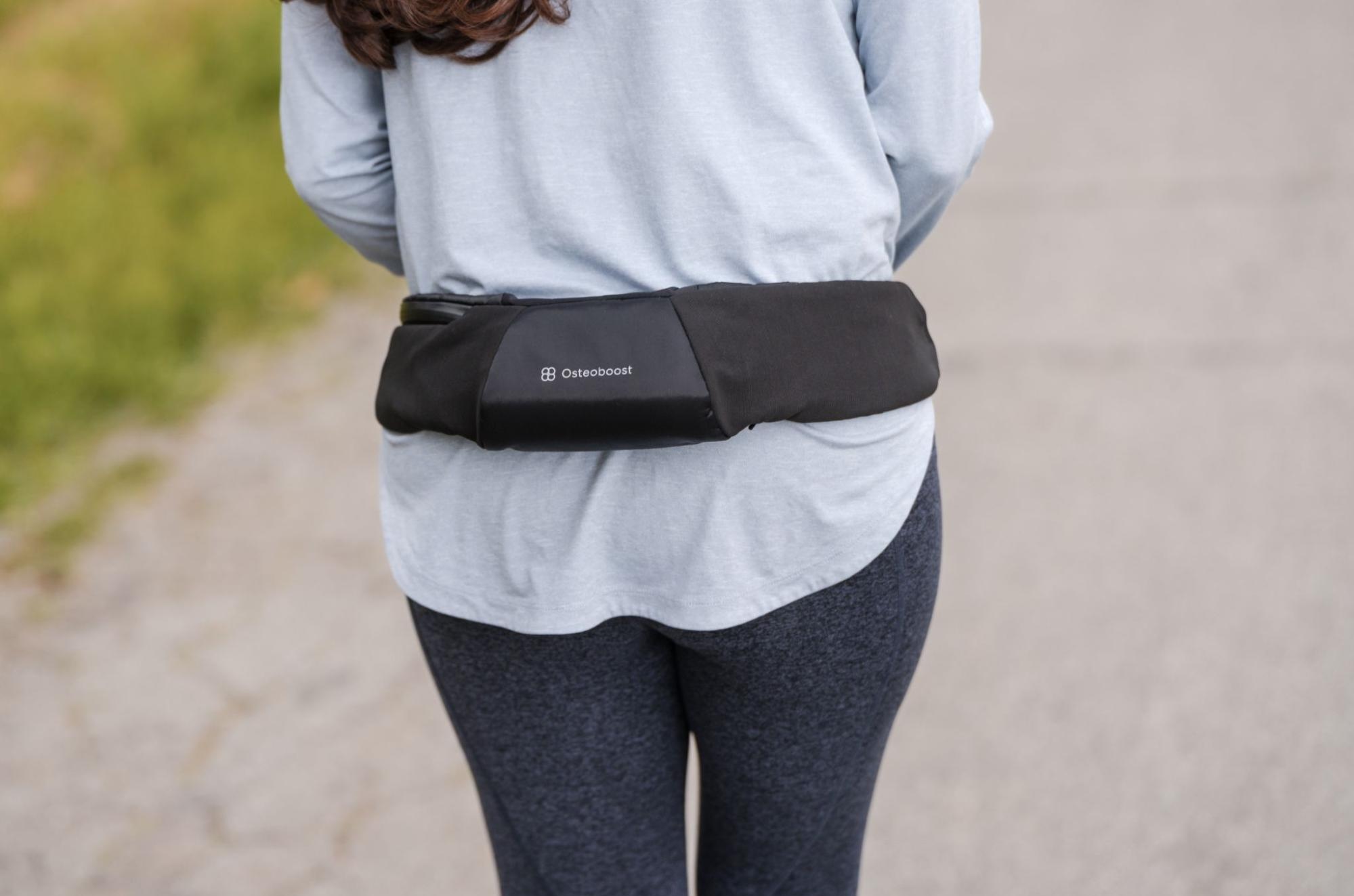
With Osteoboost, all you need to do is wear the device as a belt for 30 minutes a day as you go about performing any activities that involve standing or walking. As you wear it, the device delivers targeted vibration to your spine and hips—the areas with the highest risk of fractures. It’s proven to reduce your bone density loss by over 80%.8
These personalized, dynamically calibrated vibrations preserve bone density and strength by activating your body’s bone remodeling cycle, which involves bone resorption and bone formation.9
What makes this clinically meaningful is the precision of the dose. The vibrations are dynamically calibrated at the start of each session using embedded sensors that measure how much vibration is reaching your bones. Because body composition affects how vibration transmits through tissue, two women wearing the same device at the same setting may receive meaningfully different doses at the bone surface.10
Osteoboost's auto-calibration adjusts output in real time to ensure each session delivers the therapeutic range shown to produce bone formation signals in research: 0.1–0.3g at 20–40 Hz, delivered directly to the lumbar spine and hips.
Vibration therapy for low bone density: The science behind Osteoboost
Vibration therapy works because it mimics the benefits of high-impact exercise, stimulating and putting physical stress on your bones to activate your osteoblasts into depositing more calcium and building and repairing your bone tissue.
Independent studies conducted over 50 years have demonstrated how low-level mechanical vibrations produce key markers of bone formation. These include OX-2, nitrous oxide, osteocalcin, PGE-2, RANKL, ALP, and type 1 collagen.
In a clinical trial conducted with the University of Nebraska Medical Center, no serious, adverse device-related effects were reported, and 80% of participants adhered to the recommended treatment regimen, proving it’s easy to use and incorporate into your daily life.11
During the trial, 64 women were assigned Osteoboost, and 62 were assigned an inactive (placebo) version of the device. Compared to the placebo group, those who used the Osteoboost at least three times a week experienced:
- An 85% reduction in the loss of vertebral bone density
- An 83% reduction in the loss of vertebral bone strength
- A 55% reduction in the loss of hip bone density
Within the Osteoboost group, 31% experienced an increase in bone strength in the spine and 33% experienced an increase in bone density in the spine.
Learn more about the Osteoboost clinical trial here.
How to use Osteoboost
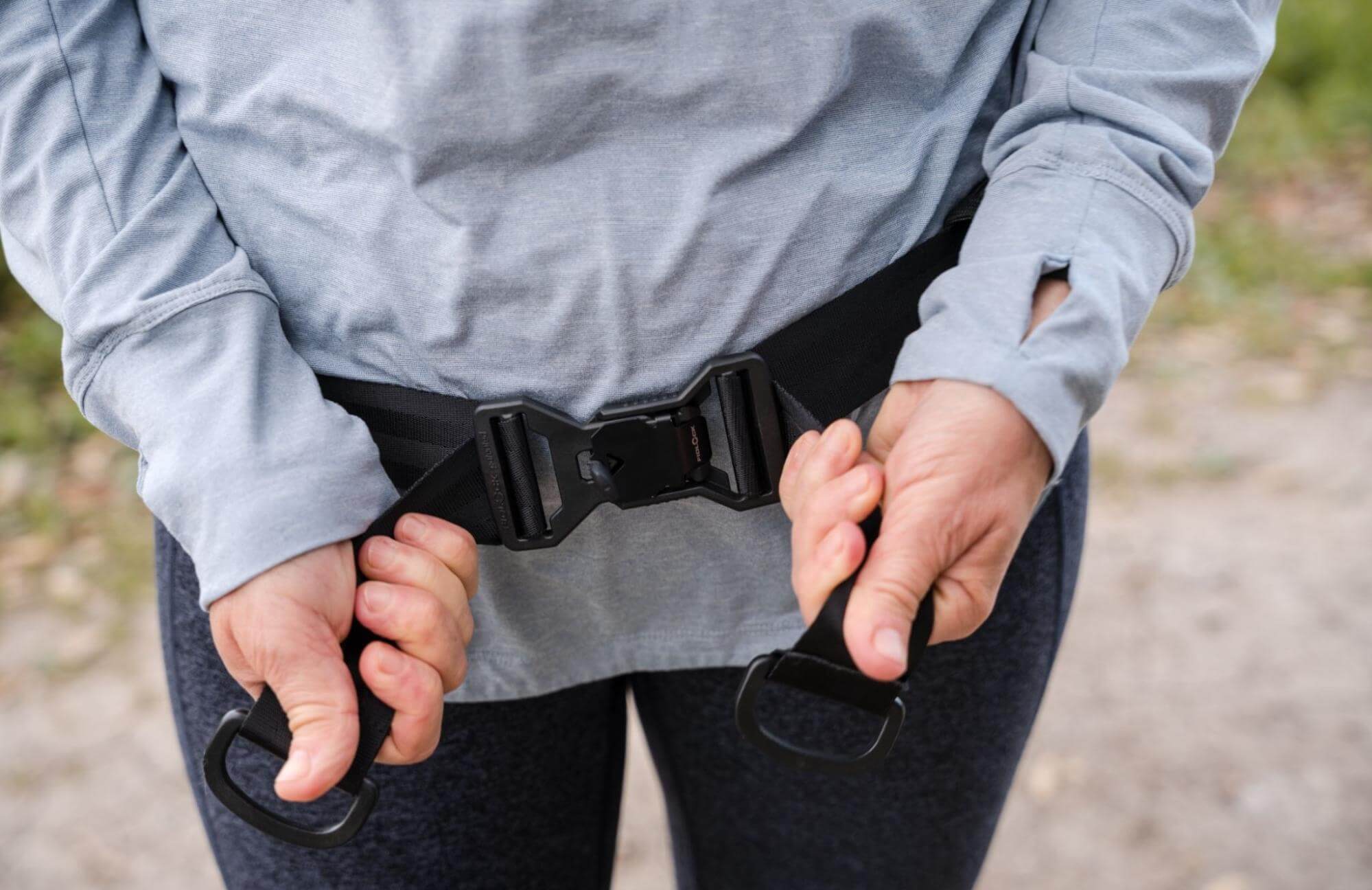
To put on the Osteoboost, the vibration pack or cushioned pad sits against your sacrum, secured with a magnetic clasp and tightened with straps until it feels snug and comfortable around your waist.
To ensure your Osteoboost is working as intended, first stand still while wearing it to initiate a pressure check. If you hear a double tone, this means your Osteoboost isn’t tight enough.
When your Osteoboost is fitted, a vibration will pulse through the device for calibration. Once that’s complete, the device will transition into a continuous vibration mode. The embedded sensors will measure the vibration at the iliac crest, the largest bone in your pelvis, and automatically adjust the output accordingly for a calibrated therapeutic dose.
You need a prescription to use Osteoboost. Ask for one from your healthcare provider using this form, or use our telehealth partner, Beluga Health, for $30.
Along with the device, you get an accompanying Osteoboost app. Download and use the app to track vibration therapy sessions, monitor your calcium intake, and seek guidance on managing your bone health.
Why a holistic approach to bone health works best
When it comes to treating your bone density, it’s worthwhile to adopt multiple strategies at once. Exercising, maintaining a healthy diet, and taking any prescribed medications are all effective ways to manage your bone health—and all of them can be pursued while using Osteoboost.
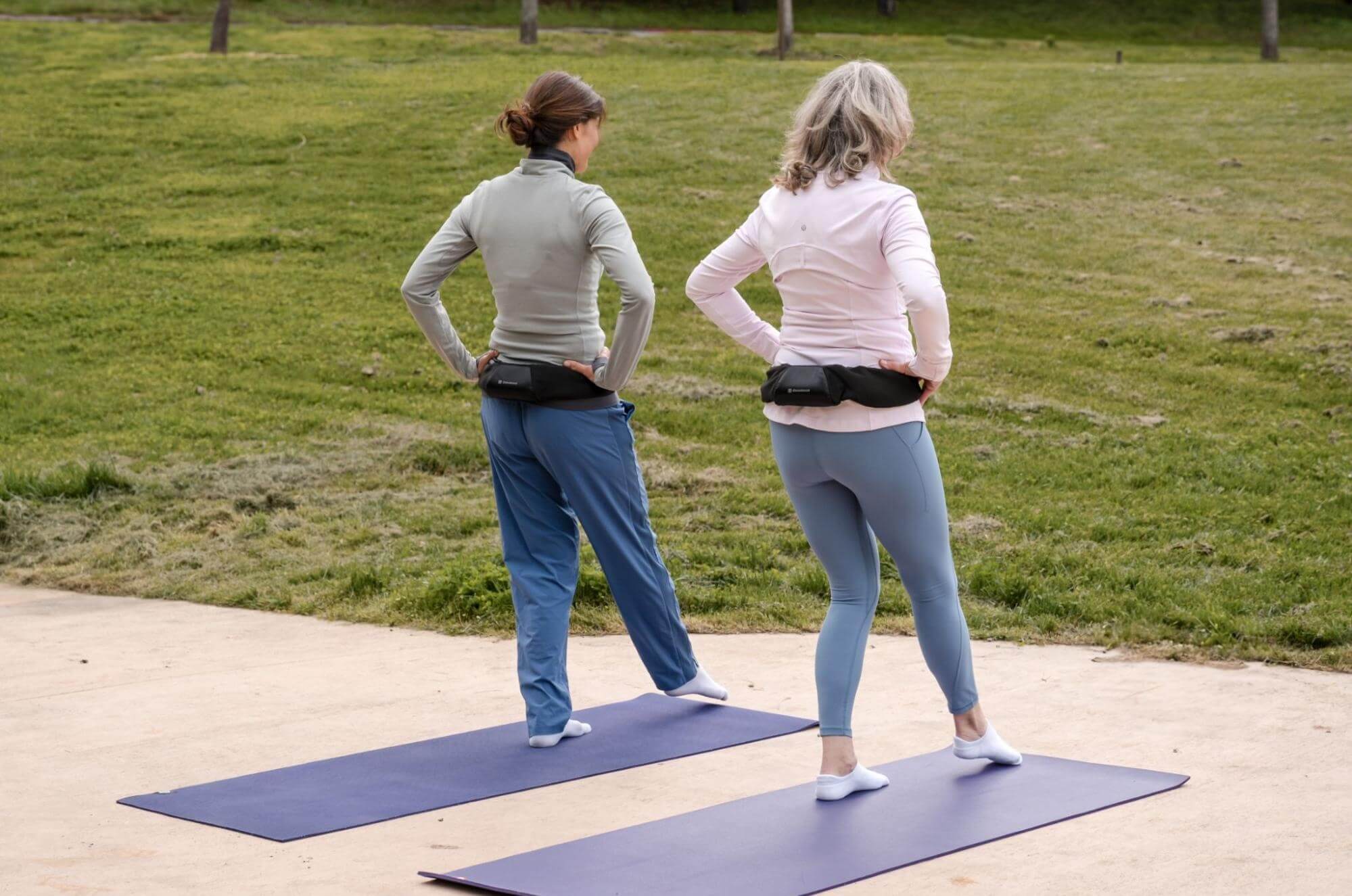
Combining Osteoboost with other strategies as recommended by your doctor will give you the best chances of keeping your bones strong. Osteoboost isn’t a replacement for exercise, but rather a great supplement, which is helpful when there are so many barriers to exercise as we get older.
Any exercise you can perform comfortably is still worth doing regularly. When you purchase Osteoboost, you’ll receive 12 months of free access to the Wellen exercise program, which is specially designed for those with osteopenia and osteoporosis.
To preserve your bone density as much as possible, we recommend using Osteoboost while continuing to exercise, eat well, and take the medications your doctor prescribes. Maintaining a healthy lifestyle is not only beneficial for your bones, but for your overall health and future.
Ready to take science-backed action for your bone health? Order your Osteoboost device today.
2. Stay active with proven weight-bearing and resistance-training exercises
Exercising is essential to strengthen your bones and improve your bone density during menopause. But the most important exercises for bone health are in two categories:
- Weight bearing: These involve using your own body weight as you make it work against gravity. This can include walking up the stairs, hiking, running, jumping rope, lifting weights, dancing, jogging, Pilates, tennis, tai chi, and yoga.
- Resistance training: Resistance training involves using your muscles against an external resisting force, which could include resistance bands, dumbbells, weight machines, or your own body weight.
Both types of exercises put stress on the bones, which slows down bone resorption and encourages bone formation by stimulating your osteoblasts.
Below are a few weight-bearing and resistance training exercises you can do at your house with no equipment required.
- Push-ups: Push-ups are a great weight-bearing exercise for your arms, wrists, chest, and shoulders. If traditional push-ups are difficult for you, you can also perform them against a wall, using a table, or on your knees to reduce the angle or strain on your bones. As you train and regain your strength, you can slowly progress to lower inclines to the traditional push-up on the floor. For a greater challenge, you can also try elevating your feet or bringing your hands closer together.
- Tricep dips: Tricep dips are a weight-bearing exercise that involve you placing your hands on the edge of a chair or bench, bending your elbows, and lowering your hips to the floor before pushing yourself back up. When performing tricep dips, be sure to avoid the following: dropping past 90 degrees, letting your elbows point outward, or hunching your shoulders. This can put excessive stress on your bones and cause injury.
- Planks: Planks are a form of resistance training and excellent for engaging your core and shoulders. You should only perform a plank if you can comfortably hold the position for at least 30 seconds. This involves balancing on your toes and forearms as you create a straight line from the top of your head to your heels. Similar to push-ups, you can also adjust and perform a plank on an incline to put less pressure on your wrists.
- Lateral lunges: Lateral lunges are a highly effective form of resistance training that strengthens your thighs and can improve your ability to climb stairs and stand up after sitting. To perform a lateral lunge, widely step out to the side using one leg at a time, keeping it straight while keeping your shoulders and hips back.
Exercising for at least 30 minutes every day can make a huge difference in your bone density. This consistency will steadily stimulate bone building and strengthen your muscles. Remember to always consult your doctor before starting a new exercise routine.
Get a personalized training plan to improve your bone density at Wellen.
3. Get the nutrients you need to maintain your bone health
The other essential part of maintaining your bone density as you age is consuming all the necessary nutrients needed for bone formation.
Calcium and vitamin D are the major building blocks for your bones and will reduce your risk of fractures and slow your rate of bone loss. Studies have shown combinations of calcium and vitamin D reduce the risk of total fractures by 15% and the risk of hip fractures by 30%.12
Taking at least 1,000 milligrams of calcium and 600 International Units (IU) of vitamin D every day will help preserve your bones and your overall health. Ideally, you’d get these nutrients from your diet, and only take supplements if needed.
Foods rich in calcium include:
- Dairy products
- Seafood (sardines)
- Green vegetables
- Nuts
- Beans
- Soy
- Leafy greens
- Tofu
Great sources of vitamin D include:
- Natural sunlight
- Fish
- Fish liver oils
- Egg yolks
- Mushrooms
- Fortified milk and grains
Other nutrients beneficial to your bone health include:
- Vitamin K (green leafy vegetables)
- Protein (lean meats, fish, and eggs)
- Magnesium (nuts, seeds, and legumes)
- Creatine (meat and seafood)
- Vitamin C (fresh fruits and vegetables)
- Boron (dried fruits and beans)
- Omega-3s (fatty fish and nuts)
- Strontium (whole grains and lentils)
- Collagen (bone broth and animal products)
In addition to making sure you’re getting all the nutrients your bones and body need, you should also be limiting your intake of salt, alcohol, and caffeine, which can all disrupt your body’s calcium levels.
It’s also best to quit smoking as nicotine slows your body’s production of osteoblasts and affects your body’s ability to absorb calcium.13
Read more: 8 Best Supplements for Osteopenia (+ a New Natural Alternative)
4. Talk to your doctor about medications that slow bone loss or build bone
If your osteopenia is advanced and your FRAX score is high, exercise and nutrition alone might not be enough to improve your bone density loss.
If this is the case, your doctor may discuss with you prescribing specific medications to help you either slow your bone loss or build new bones. Antiresorptive medications slow down bone loss, while anabolic medications, which are typically reserved for people with more severe cases of osteopenia, help you build new bones.
The most common medications and therapies prescribed to treat bone density loss include:
- Bisphosphonates (Fosamax, Boniva, Actonel, and Reclast): These are the most common antiresorptive medications prescribed for advanced osteopenia. They work by binding directly to hydroxyapatite crystals, the primary mineral component in bones, and target and inhibit your osteoclasts, the cells responsible for bone breakdown.
- Hormone therapies (SERMS, Evista): Hormone-based options also fall under the antiresorptive category. They work by supplementing your body with estrogen, essentially replacing the estrogen that is lost during or after menopause.
Learn more in our webinar: HRT and the Science of Strong Bones
- Lab-made biologic agents (Prolia, Evenity): Prolia is a powerful antiresorptive agent that targets and binds to RANK Ligand (RANKL) to stop this molecule from stimulating osteoclasts and bone resorption.18 You can use Prolia long-term and receive it once every six months. Meanwhile, Romosozumab (Evenity) is another injectable lab-made biologic agent. Unlike Prolia, Evenity cannot be used long-term.
- Parathyroid hormone analogs (Tymlos, Forteo): Parathyroid hormone analogs work by acting like the hormones your parathyroid glands produce to stimulate bone formation and growth. You can inject these medications once a day in either your abdomen or thigh.
All these medications, however, can come with considerable side effects.
For instance, bisphosphonates can cause general bone and joint pain, nausea, throat irritation, heartburn, difficulty swallowing, stomachaches, and gastric ulcers.14 Meanwhile, studies have shown that people are more likely to develop blood clots in their legs and lungs while on HRT, or estrogen replacement therapy, and become more at risk for strokes, heart disease, and breast cancer.15
While medications for low bone density are generally safe, many people have reportedly stopped taking their prescribed medications due to the side effects. It’s important to consult your doctor to determine whether you first need the additional support of medications and, if so, which one will be the most tolerable and effective for you.
Read more: 9+ Alternatives to Fosamax for Osteopenia and Osteoporosis (Drugs and Non-Pharmacological Options)
Slow bone density loss with Osteoboost
Whether or not you take medication will depend on the current health of your bones. But unless you already have advanced osteoporosis, there’s lots you can do to improve your bone health without taking drugs.
Besides exercise and nutrition, one of the most effective non-pharmacological treatments for low bone density is Osteoboost. It’s shown to reduce bone density loss in postmenopausal women by over 80%—and it’s non-invasive, safe, and easy to use.
To get a prescription, you can simply download this form to share with your doctor or request one online for $30 through Beluga Health, our telehealth partner.
Even if you don’t yet have a prescription, you can still place an order in advance. We’ll ship you your device free from our partner pharmacy once your prescription has been approved.
The sooner you act, the stronger you will be in the future and the more confident you’ll be able to move through life.
Osteoboost is the first and only FDA-cleared, non-drug prescription device to treat osteopenia for postmenopausal women. Take action and order a device today.
References
- Finkelstein, J., et al. “Bone mineral density changes during the menopause transition in a multiethnic cohort of women.” The Journal of clinical endocrinology and metabolism, 2008.
- Khosla, S., et al. “Estrogen and the skeleton.” Trends in endocrinology and metabolism, 2012.
- Ji, Meng-Xia, and Qi Yu. “Primary osteoporosis in postmenopausal women.” Chronic diseases and translational medicine, 2015.
- Lo, J., et al. “Bone and the perimenopause.” Obstetrics and gynecology clinics of North America, 2011.
- Alswat, Khaled A. “Gender Disparities in Osteoporosis.” Journal of clinical medicine research, 2017.
- Grili, P., et al. “Nutrient Patterns and Risk of Osteopenia in Postmenopausal Women.” Nutrients, 2023.
- Demontiero, O., et al. “Aging and bone loss: new insights for the clinician.” Therapeutic advances in musculoskeletal disease, 2012.
- Rubin, C., et al. “A LOW INTENSITY MECHANICAL COUNTERMEASURE TO PROHIBIT OSTEOPOROSIS IN ASTRONAUTS DURING LONG-TERM SPACEFLIGHT.” 2005.
- Xie L., et al. “Low-level mechanical vibrations can influence bone resorption and bone formation in the growing skeleton.” Bone, 2006.
- Park, S., et al. “Effects of whole body vibration training on body composition, skeletal muscle strength, and cardiovascular health.” Journal of exercise rehabilitation. 2015.
- Bilek, L., et al. “Benefits of Targeted Vibration for Bone Strength and Bone Density in Postmenopausal Women with Osteopenia: A Randomized, Sham-Controlled Trial.” JBMR Plus, 2024.
- Weaver, C M., et al. “Calcium plus vitamin D supplementation and risk of fractures: an updated meta-analysis from the National Osteoporosis Foundation.” Osteoporosis international, 2016.
- Al-Bashaireh, A., et al. “The Effect of Tobacco Smoking on Bone Mass: An Overview of Pathophysiologic Mechanisms.” Journal of Osteoporosis, 2018.
- Kennel, Kurt A, and Matthew T Drake. “Adverse effects of bisphosphonates: implications for osteoporosis management.” Mayo Clinic proceedings, 2009.
- Yanachkova, V., et al. “Reconsidering Hormone Replacement Therapy: Current Insights on Utilisation in Premenopausal and Menopausal Women: An Overview.” Journal of clinical medicine, 2025.
- Drake, M., et al. “Bisphosphonates: mechanism of action and role in clinical practice.” Mayo Clinic proceedings, 2008.
- Messalli, Enrico M, and Cono Scaffa. “Long-term safety and efficacy of raloxifene in the prevention and treatment of postmenopausal osteoporosis: an update.” International journal of women's health, 2010.
- Kumar L., et al. Biologic Antiresorptive: Denosumab. Indian J Orthop, 2023.
- Donham, C., et al. “Sclerostin Depletion Induces Inflammation in the Bone Marrow of Mice.” International journal of molecular sciences, 2021.