Low Bone Density: How a NASA-Inspired FDA-Cleared Wearable Device Is Changing the Fight
For decades, low bone density has been a quiet but relentless threat, often overlooked until it results in a devastating fracture. More than half of women over 50 live with osteopenia, the precursor to osteoporosis, where bones weaken but may not yet meet the threshold for medications. Left unaddressed, it can progress into brittle bones, fracture, loss of independence, and cascading health problems.
Now, a new treatment is offering hope. And it doesn’t come in the form of a pill.
The Problem We Don’t See Until It’s Too Late
Fragility fractures are among the most serious health risks for older adults. A broken hip or collapsed vertebra can steal mobility, independence, and confidence. It’s not just about the bone itself. A single fracture can change the course of someone’s life.
And yet, despite its scale, osteopenia and osteoporosis research has historically been underfunded and under-innovated. For years, lifestyle adjustments and medications were the only tools available for osteopenia. Calcium and vitamin D are useful but results may be limited for those who aren't already deficient. Side effects from medications in later stages can lead to poor adherence. Exercise, especially mechanical loading style exercises, are excellent but the routines can be hard to stick with and some people may not be able to do them.
That gap is what led to the creation of Osteoboost.
A First-of-Its-Kind Solution
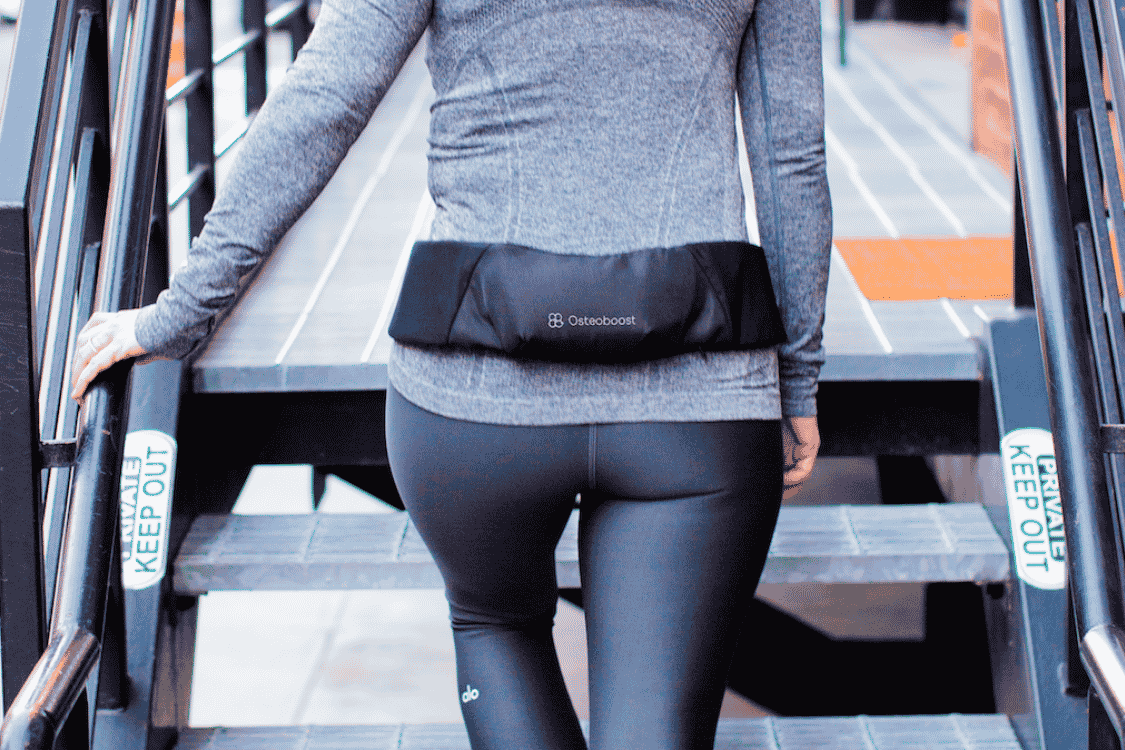
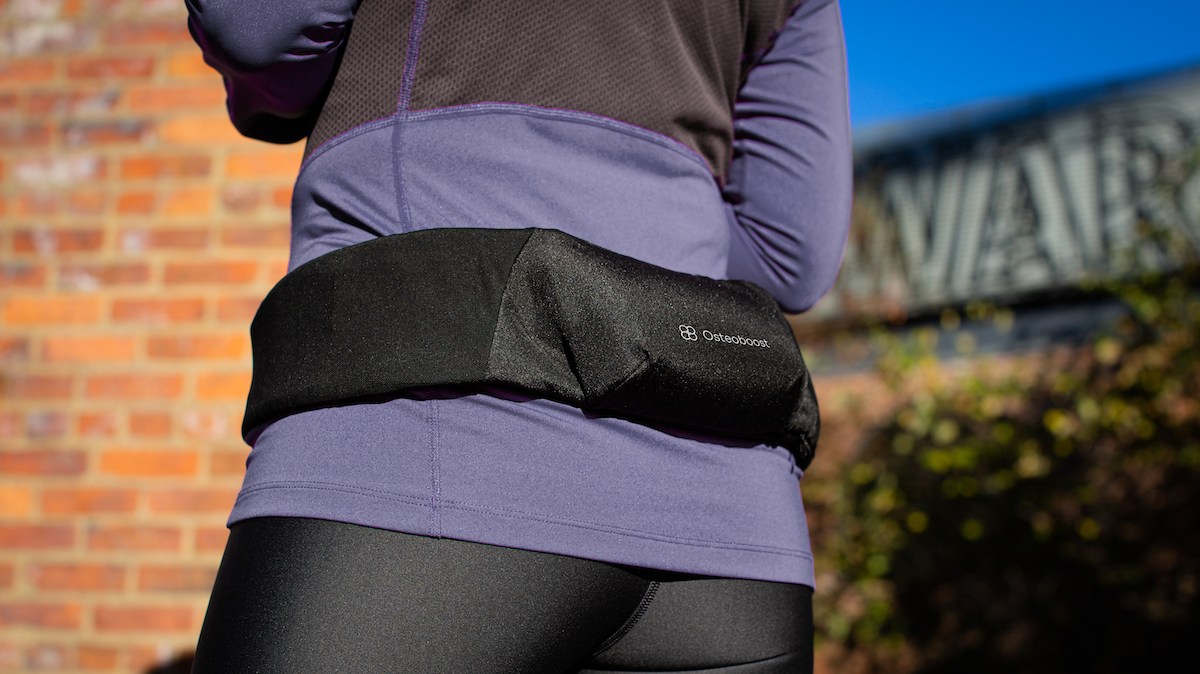
At first glance, Osteoboost looks almost ordinary: a sleek belt worn low around the waist, light enough to slip on while cooking dinner or working at a desk. But inside is patented technology cleared by the FDA as the first and only non-drug prescription treatment for osteopenia.
The belt delivers safe, low-level vibrations—calibrated within 20-40 Hz and 0.1-0.3 g—that stimulate the bones of the hips and spine, where fractures are most likely to occur. Sensors inside the device ensure it’s positioned correctly and automatically adjust output to each wearer’s body. The treatment is simple: thirty minutes a day.
Users barely feel the vibrations. What they do feel, many say, is peace of mind.
The Science Behind the Buzz
The concept of vibration therapy may sound new, but it’s rooted in decades of research: some of it from NASA, which studied how to protect astronauts from rapid bone loss in zero gravity. Bones are living tissue, constantly breaking down and rebuilding. By applying tiny mechanical signals, Osteoboost activates bone cells in a way similar to weight-bearing exercise, sending the “build and repair” message back into the skeletal system.
The science was put to the test in a randomized, sham-controlled clinical trial recently published in the Journal of Bone and Mineral Research (JBMR Plus). Over a year, women using Osteoboost at least 3 times per week showed an average of 85% reduction in bone loss compared to those in the control group. The results were so significant that the FDA cleared Osteoboost as a safe and effective prescription treatment for postmenopausal women with osteopenia.
The Patient’s Perspective
For patients, bone loss is more than a lab result. It is a looming threat to their lifestyles and future. For them, the Osteoboost device isn’t just about bone density scores. It’s about the future. It’s about living stronger, longer, and taking control of a condition previously considered inevitable.
A Doctor’s View
Clinicians are equally optimistic. Over 3,000 physicians have prescribed Osteoboost to date, many from top institutions and hospitals around the U.S. The clinical community has welcomed Osteoboost because of the rigorous gold-standard clinical trial with the University of Nebraska Medical Center, FDA clearance through the De Novo pathway (reviewed for safety and efficacy, and designated a Breakthrough Device) and for the clinical mauscript being published in a prestigious medical journal JBMR Plus.
More Than a Device
At $995, Osteoboost is available directly to patients. They can order it first and then have their doctor send in a prescription, or they can use the company’s online prescription partner Beluga for a consultation.
Because medical devices often take several years to be covered by Medicare or major insurers, the company is investing in efforts to make that happen. In the meantime, Osteoboost is eligible for FSA/HSA funds.
For many, Osteoboost is an investment in longevity and independence. Beyond clinical outcomes, the device is reshaping how people think about bone health: not as an inevitable decline, but as something that can be actively strengthened.
Looking Ahead
Osteoboost is now being prescribed to women with osteopenia due to menopause. That’s what the clinical trial studied. Future research will explore broader applications, including conditions like osteoporosis and bone loss from cancer. Patients outside the current Indications for Use (postmenopausal women with osteopenia) should consult their physicians to see if Osteoboost is right for them.
For CEO Laura Yecies, the mission is personal. With her own family history of osteoporosis, she sees Osteoboost not just as a device, but as a way to change the narrative of aging. “We don’t accept that frailty is inevitable,” she says. “Preventing bone loss means stronger futures.”